The Botanist · Brand ambassador Educational toolkit
The Botanist Tincture Box
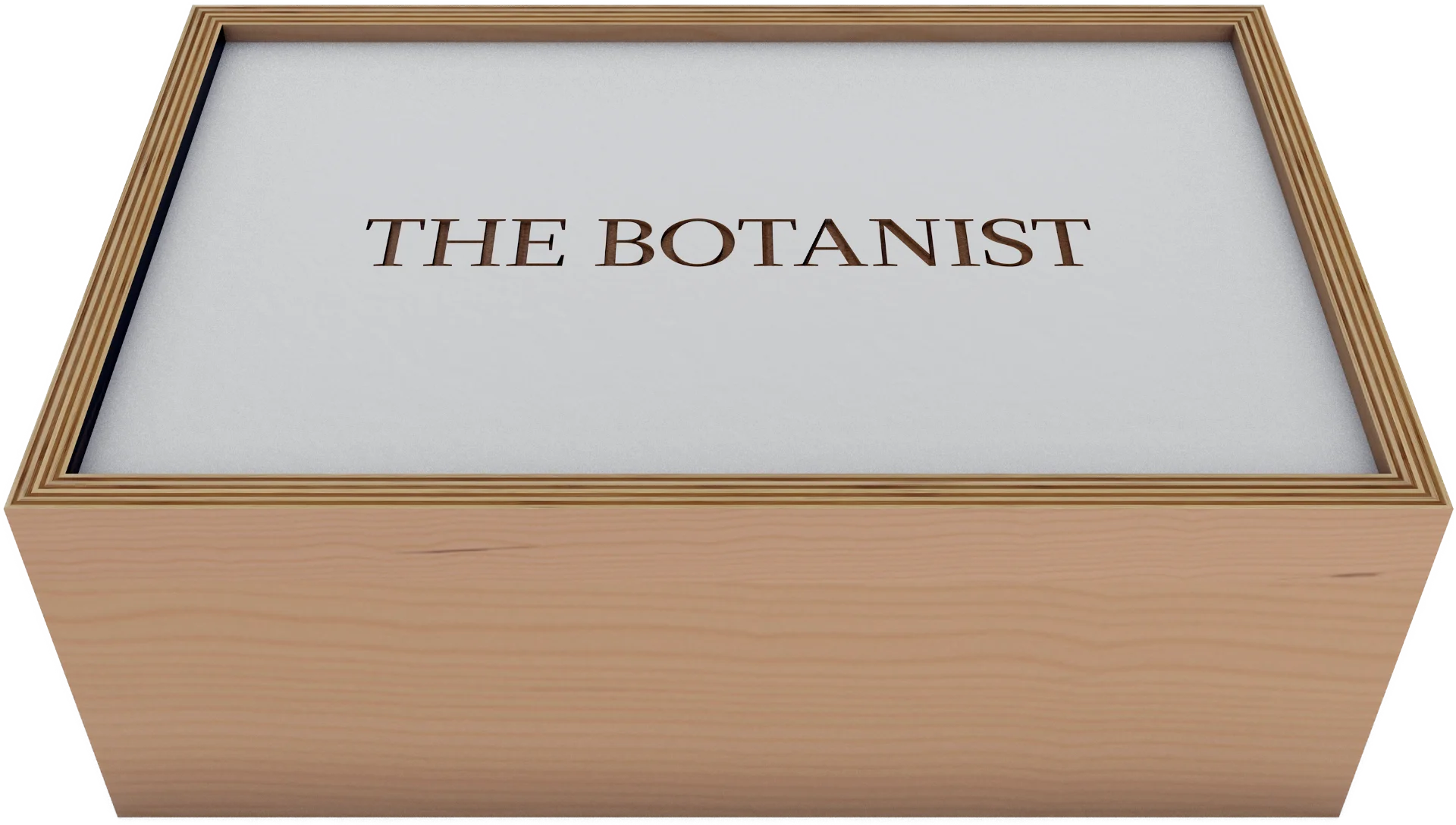
Redesigning The Botanist Gin’s brand ambassador education kit, a travel-ready box of 22 Islay botanical tinctures and a deck of botanical cards, taken from brief through to production.
01 / The Brief
The kit that couldn’t travel.
The Botanist’s brand ambassadors teach the gin through its 22 hand-foraged botanicals, by smell and taste rather than slides. That story only lands when people can actually nose and taste each plant, so the teaching tool has to be physical.
The existing kit did the job in the room but was impractical to ship and carry into market globally. The brief was a durable, self-contained educational toolkit an ambassador could pack, travel with, and set up anywhere.
02 / Botanicals
22 botanicals, one story to tell.
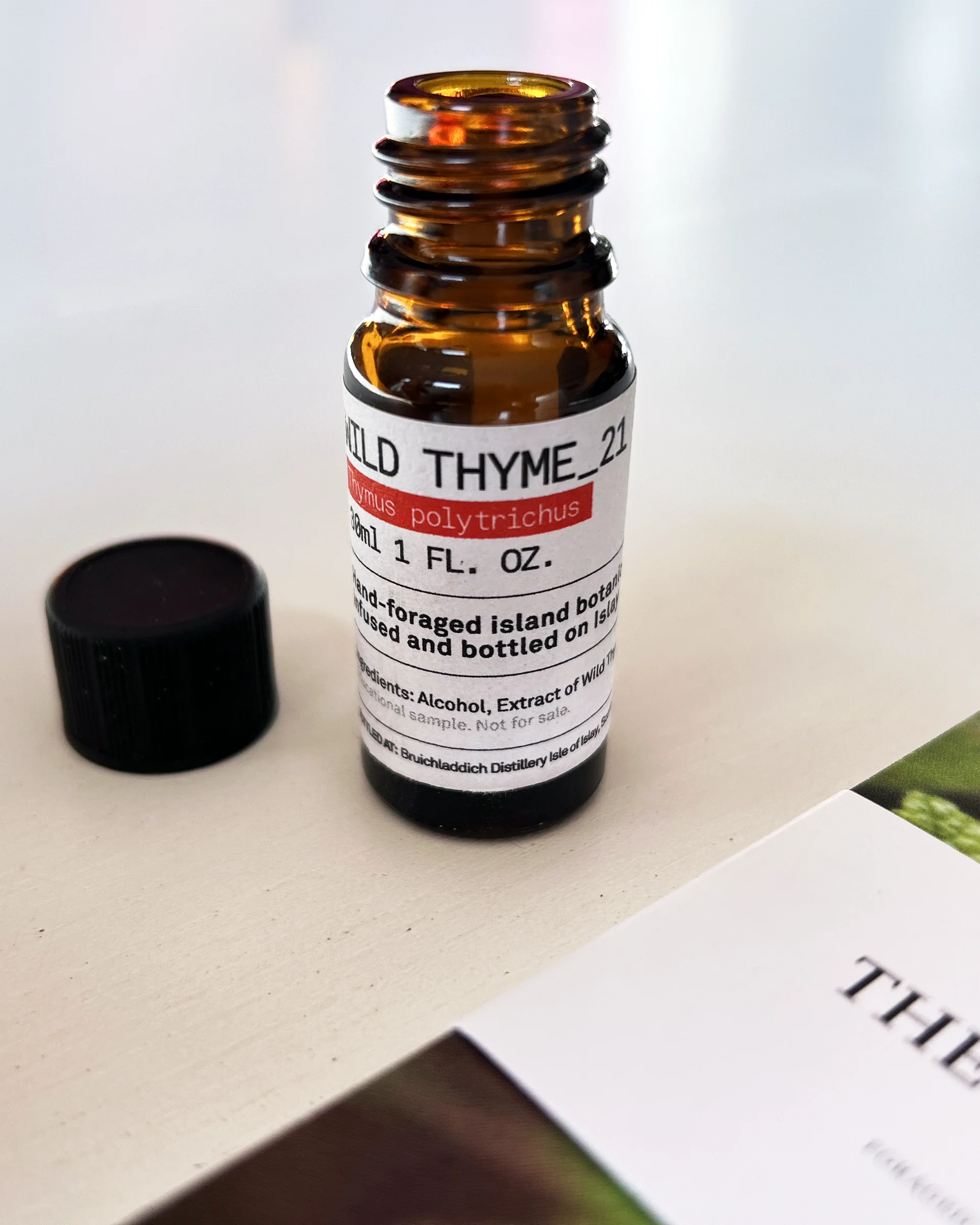
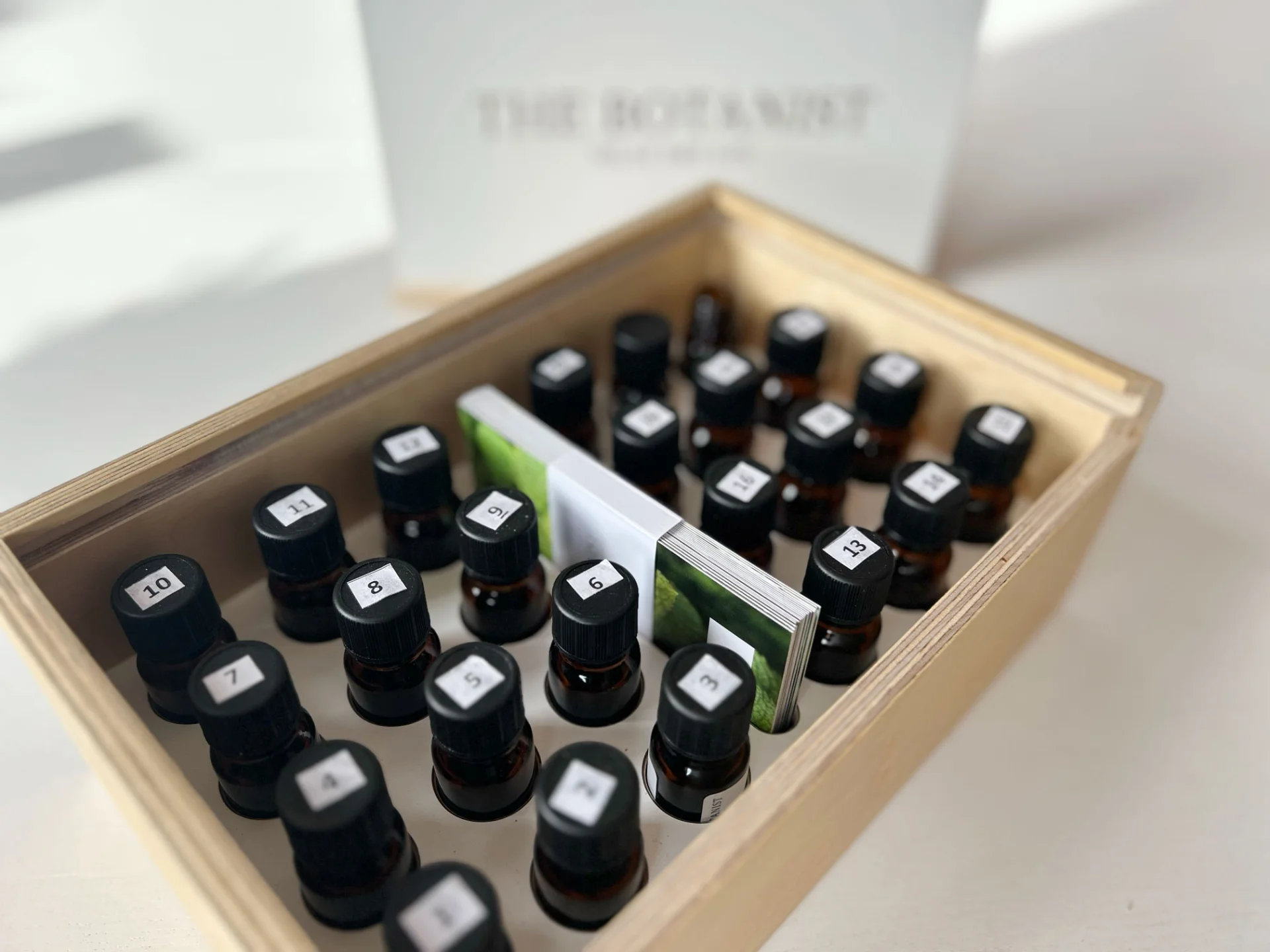
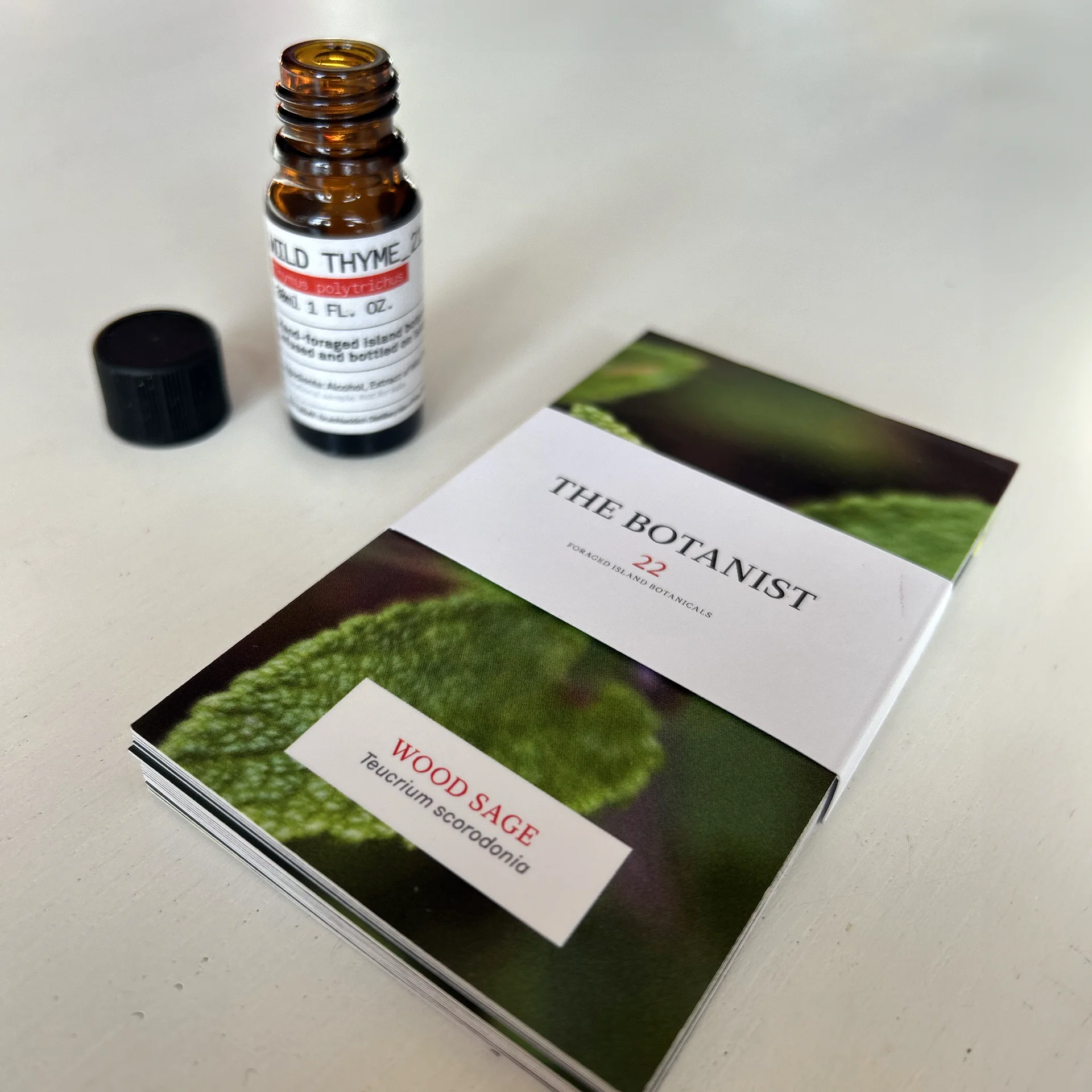
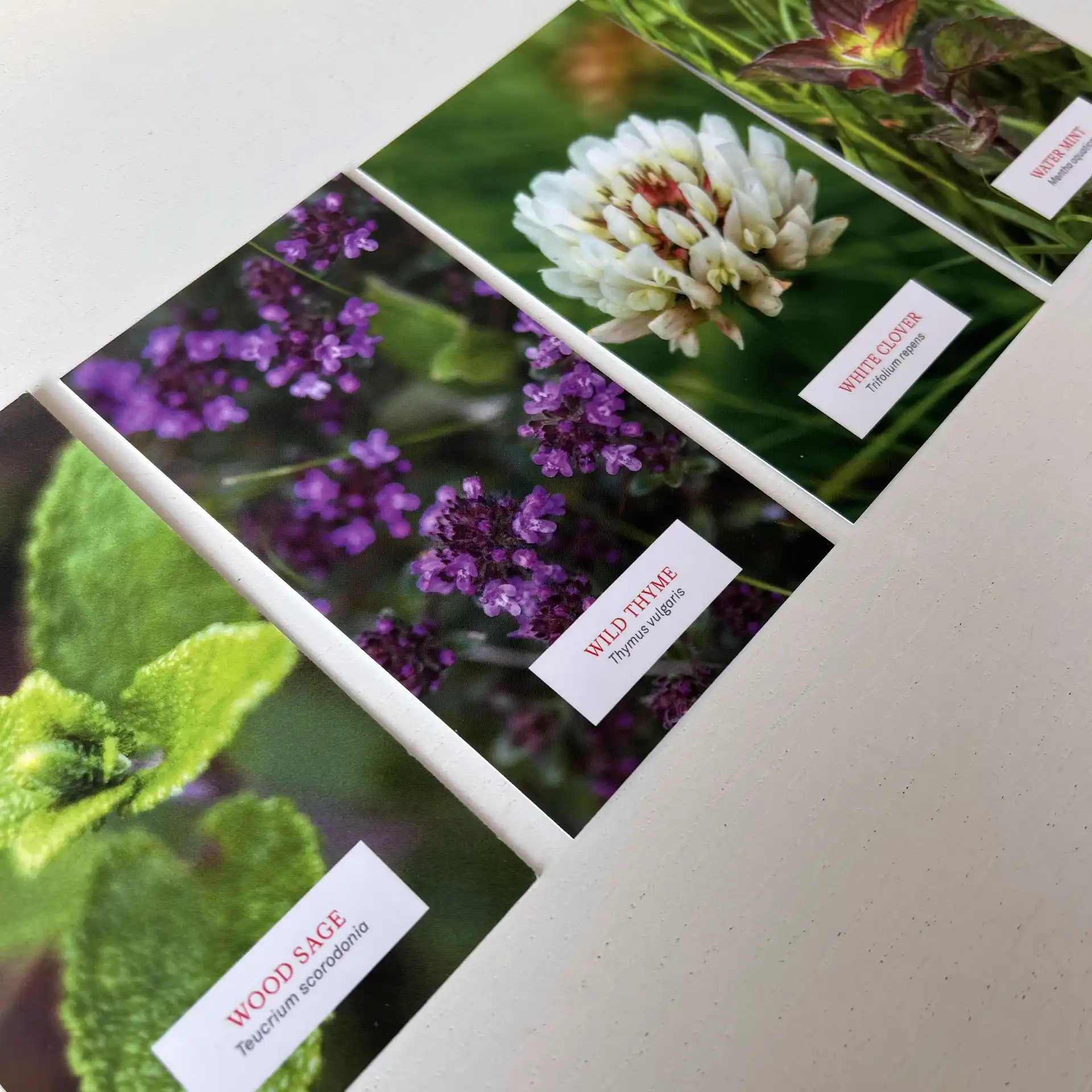
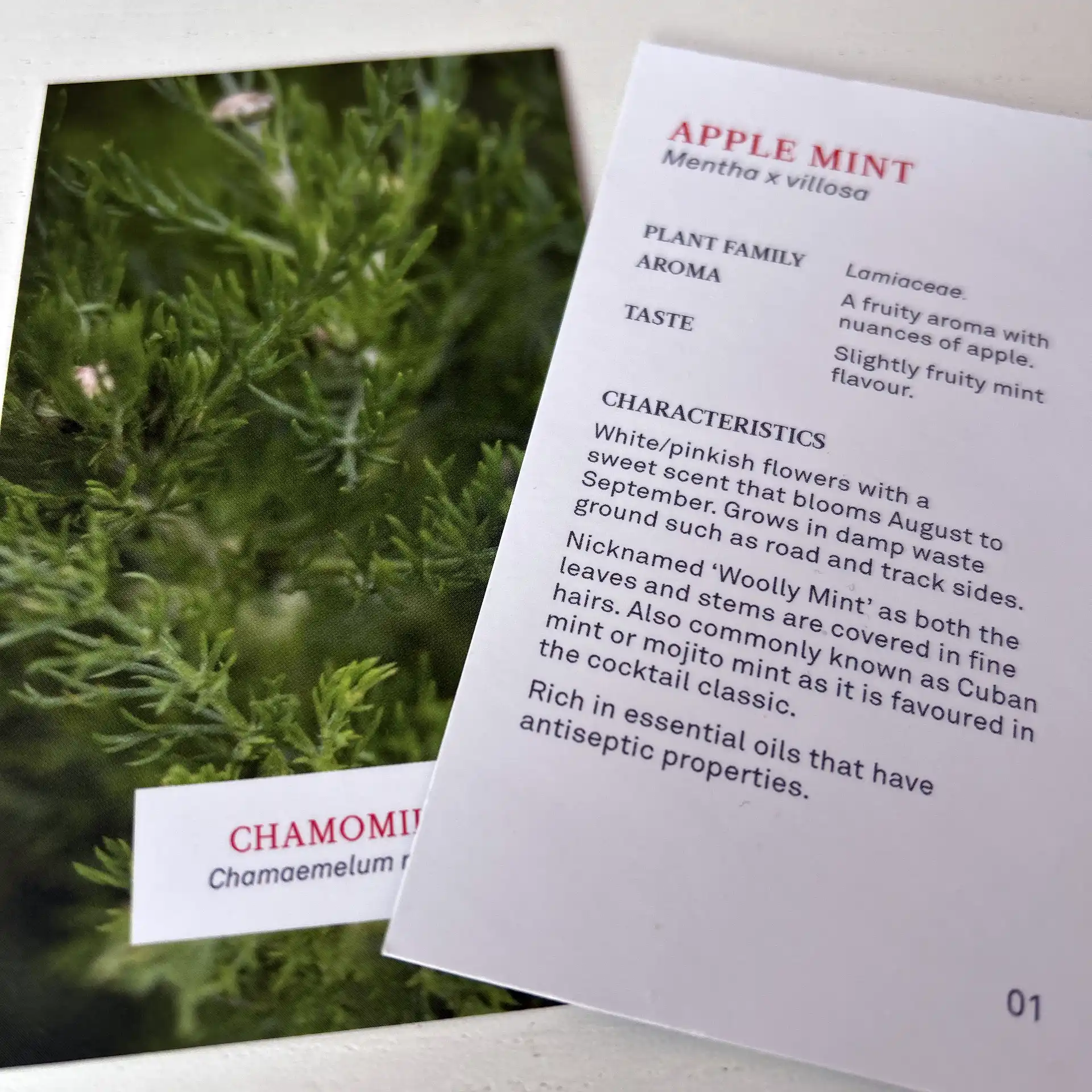
The kit holds one numbered tincture per botanical, 22 in total, alongside the raw spirit. Each tincture is paired with a card describing the plant in its habitat, so the botanical has a place and a story, not just a name.
It teaches provenance through smell and taste rather than presentation slides. The ambassador works through the numbered set, and the room learns the gin the way it was built.
03 / The Material
Start with the material.
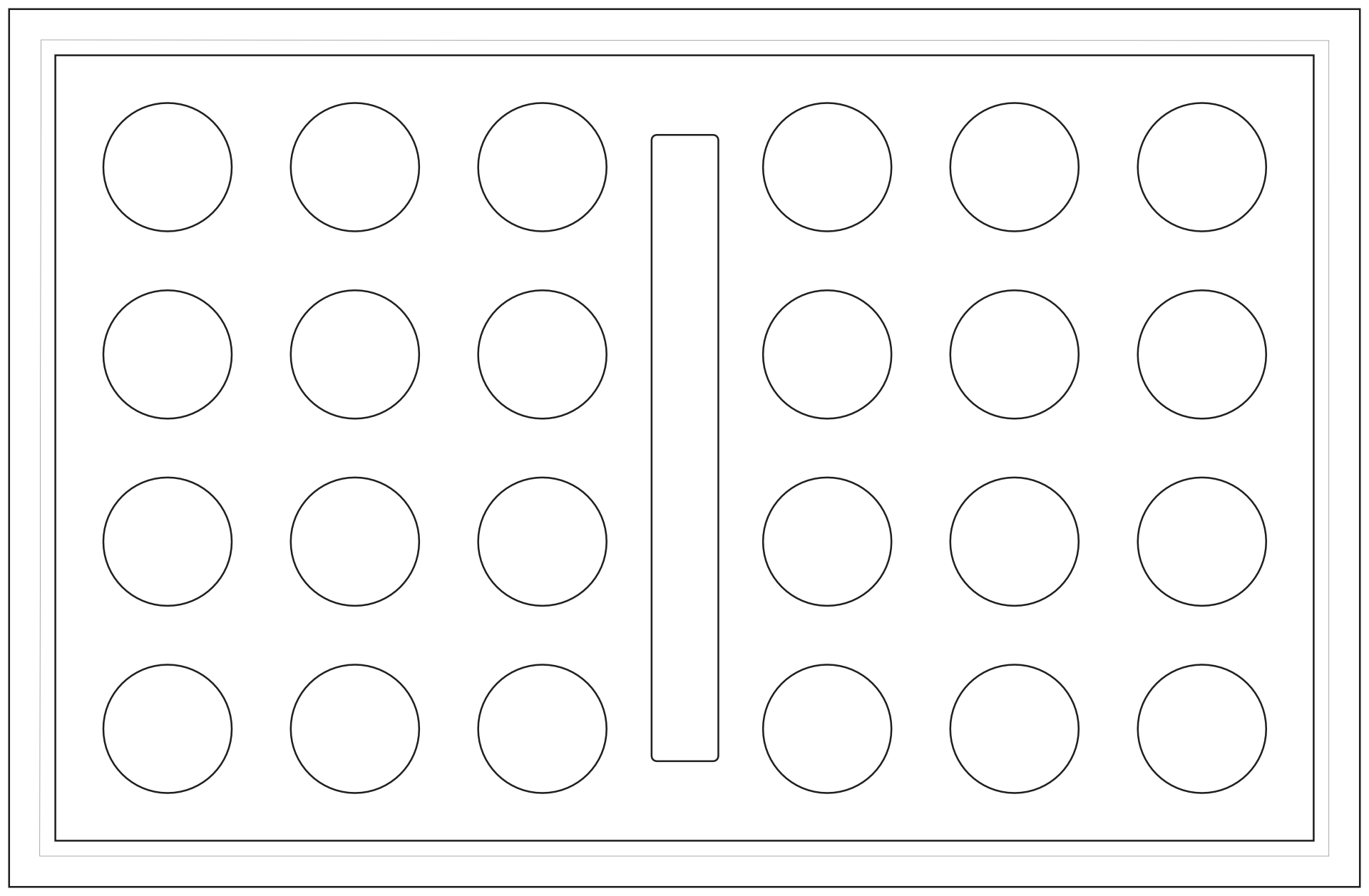
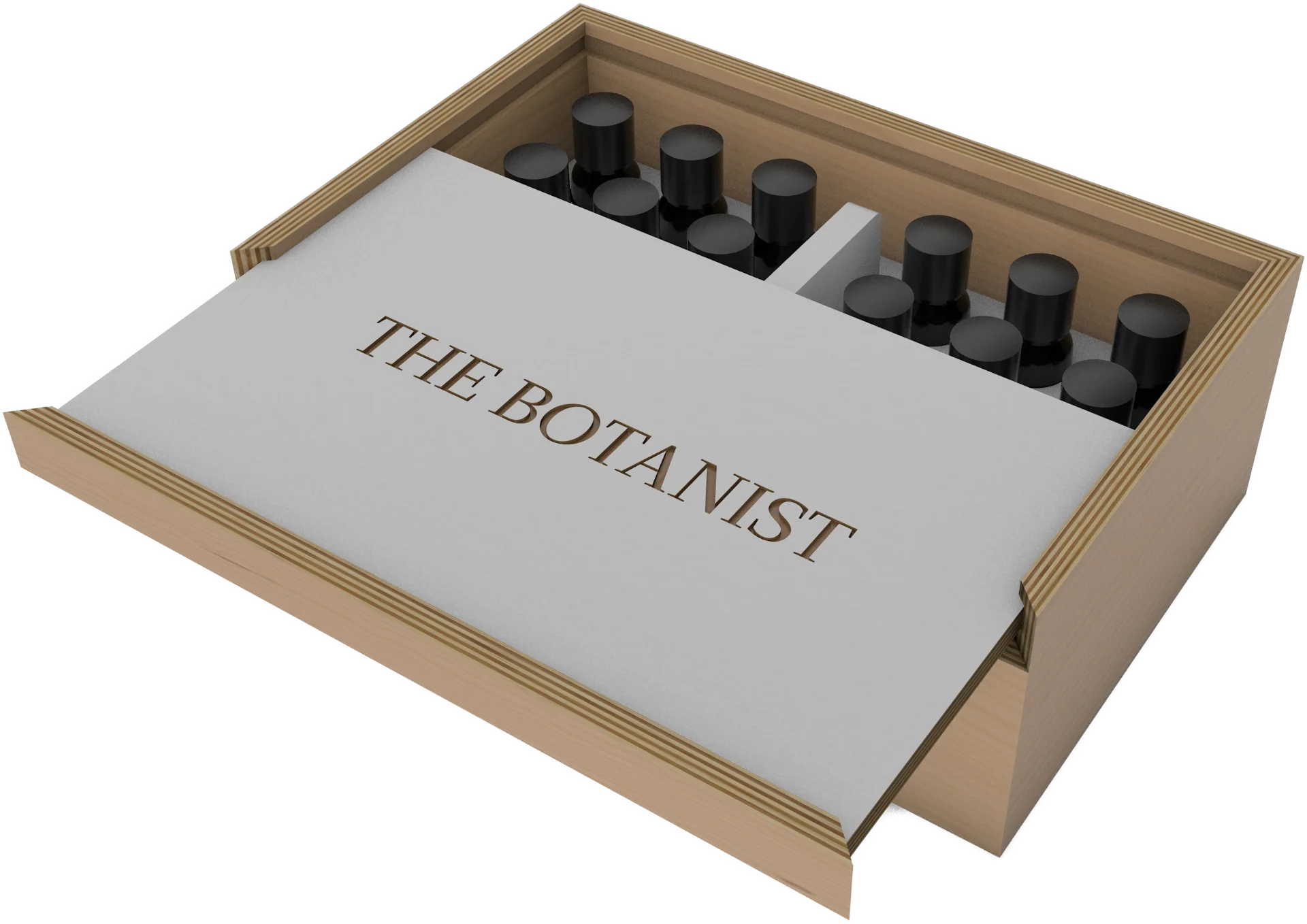
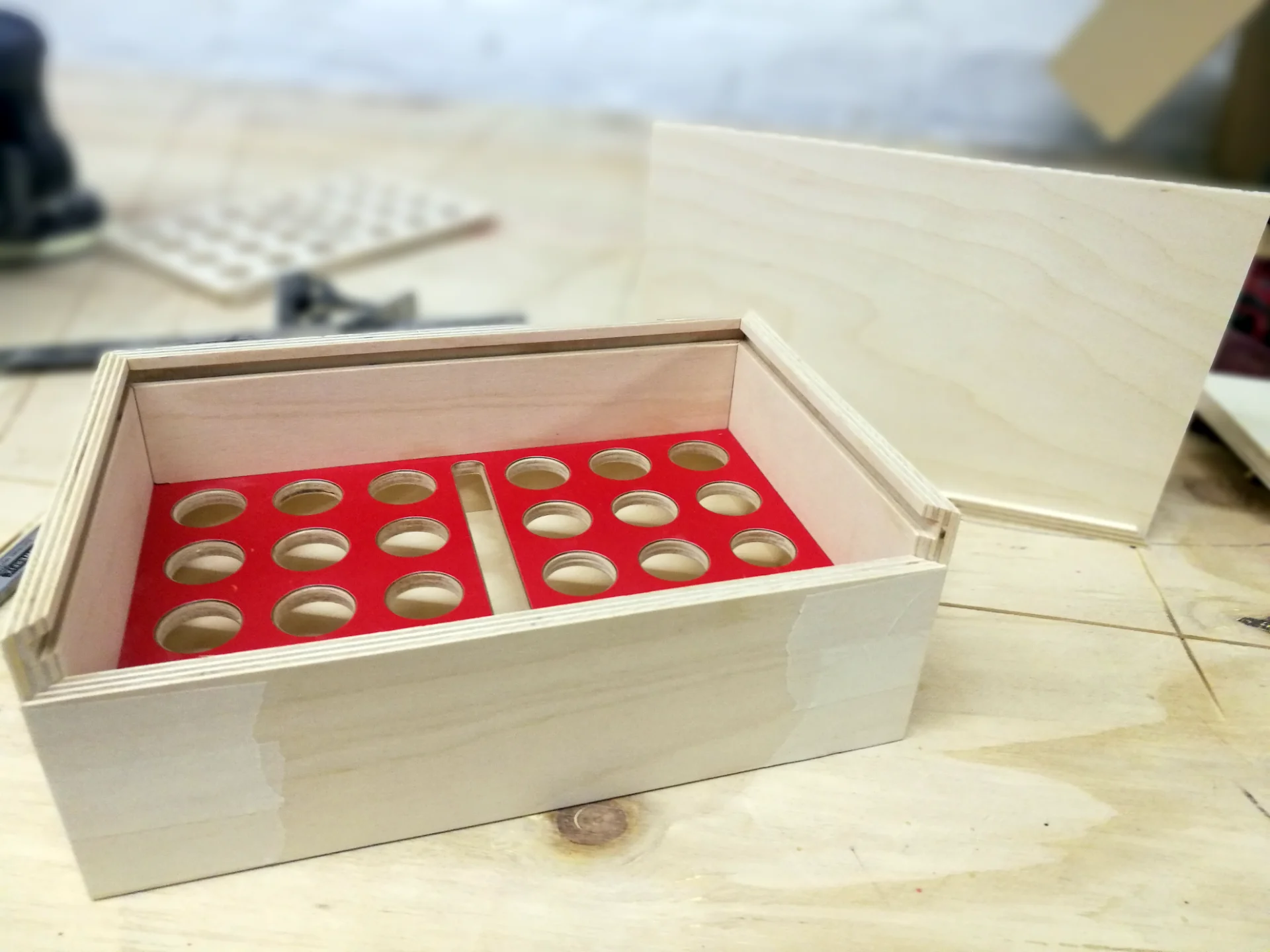
The design started from the material and the making method rather than a sketch. Laser-cut marine plywood, a sliding lid, and a layout that holds the numbered tinctures and cards securely in transit were the first decisions, not afterthoughts.
Designing around the cut and the material constraints from the outset meant the box could be made cleanly and repeatably, with the structure and the fabrication method working together.
04 / One Constraint, Three Solutions
One constraint, three solutions.
A single fabrication constraint drove three design solutions: the sliding domino lid, the internal layout, and the cut itself. Working within what the material and the laser would allow turned the limitation into the box’s defining features.
Rather than fight the constraint, the design let it resolve into how the box opens, how it holds its contents, and how it goes together.
05 / Ambassador Kit
Everything the brand ambassador needs.
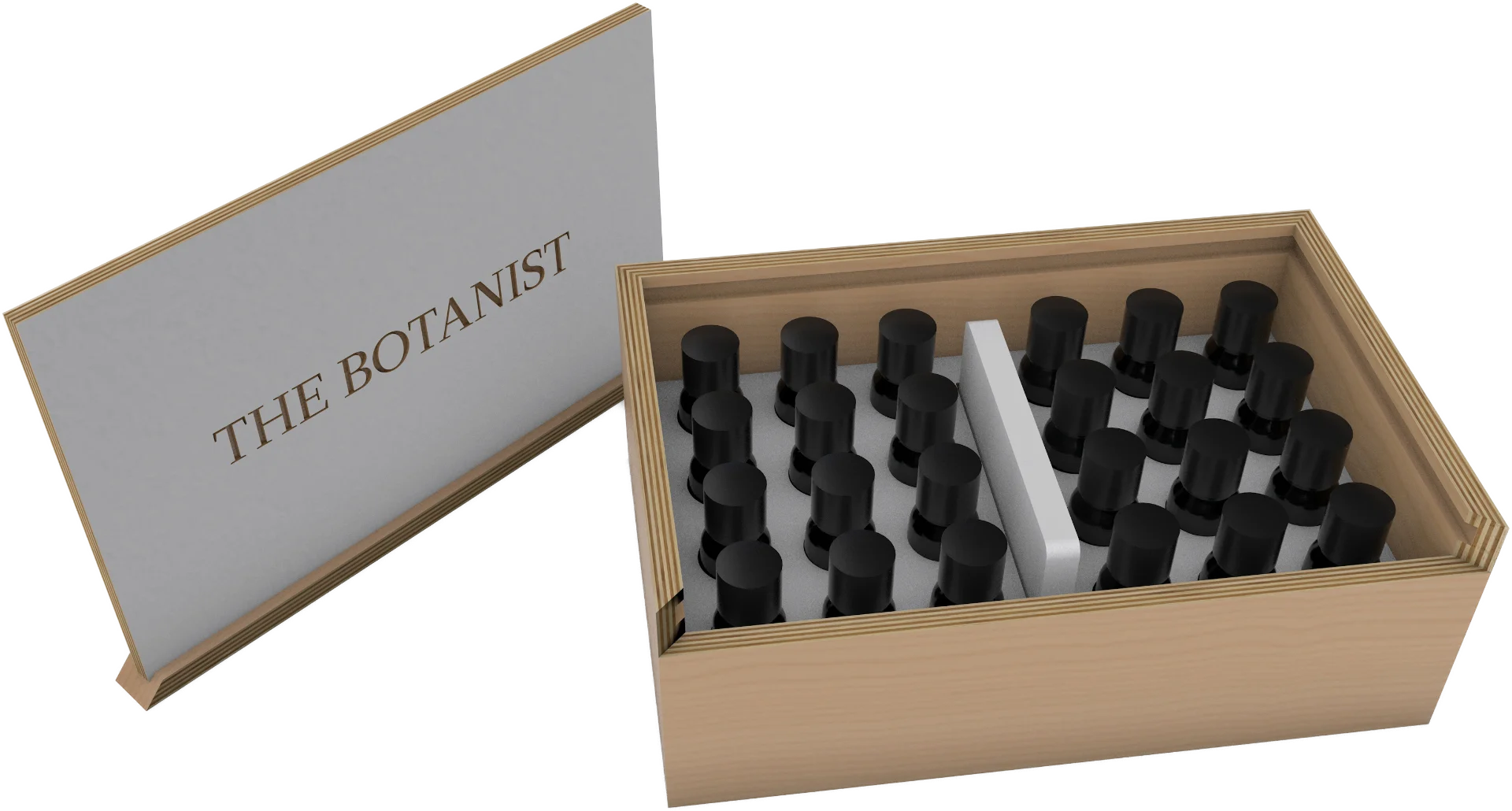
The kit is a complete ambassador toolkit: the numbered tinctures, the raw spirit, and a card deck describing each plant. It is everything needed to run a tasting-led education session in market, packed into one box.
06 / Production
Engineered for weight, built for warmth.
Production meant managing weight for shipping while keeping a warm, tactile material quality. The internal red-lined tray holds each bottle in a precise fit, protecting the contents in transit without resorting to cold protective packaging.
The box was manufactured for distribution without losing the hand-made feel that made the original kit work in the room.
07 / Distribution
50 kits, every market reached.
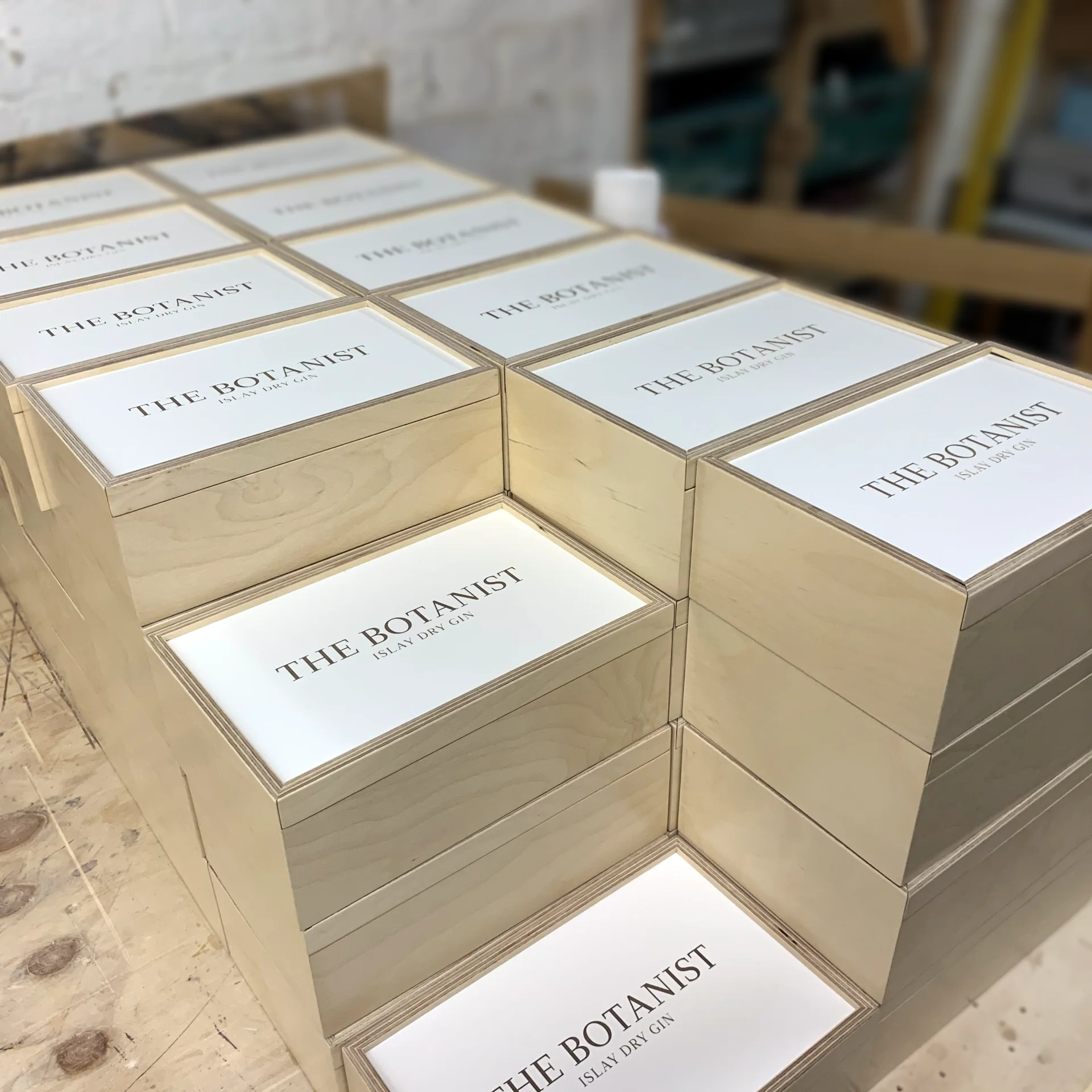
Roughly 50 units were produced and distributed to brand ambassadors across global markets. It was a small, deliberate run, sized to the people who would actually use it rather than to a shelf.
That focused run reached every market it needed to, putting the toolkit directly into the hands of the people teaching the gin.
08 / Reflection
A redesign, not a reinvention.
This was a considered redesign of an existing toolkit, not a reinvention. It kept what already worked about teaching by tasting and solved the practical travel and durability problem that was holding the original back.
It shipped and is used in market, doing the same job as before but in a form that can actually go where the ambassadors go.